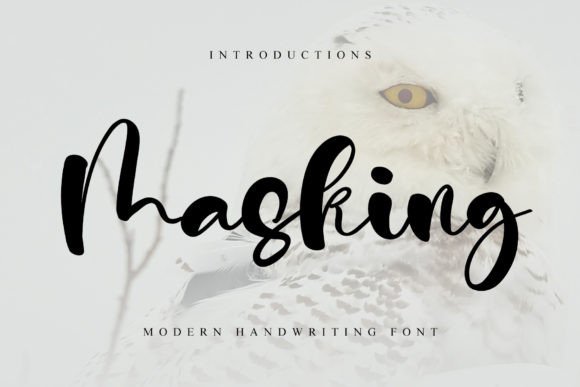
Masking: A Charming Handwritten Font for Handmade Product Design
I remember the moment I first tried Masking script handwritten font on a candle label mockup. The warm, friendly curves immediately softened the entire design, and I knew this was the typeface I had been searching for. As a handmade seller who creates everything from soy candles to greeting cards, I have tested dozens of script handwritten fonts over the years, but few capture that balance of playful charm and polished readability quite like Masking does. Its smooth, flowing strokes bring a sense of whimsy to packaging, and I have found myself reaching for it again and again for product labels, social media graphics, and seasonal shop materials.
How Masking Script Handwritten Font Transformed My Product Packaging
When I started my small batch candle business, I wanted my packaging to feel personal and handcrafted without looking amateurish. Masking script handwritten font became the centerpiece of my label design. The gentle curves and natural rhythm of the letterforms echo the handmade quality of my products, while the friendly personality helps customers feel an instant emotional connection. I now use Masking for my signature scent names, short product descriptions, and even the small thank you tags that I tie around each jar. The font’s warm, flowing strokes make even simple words like "lavender" or "vanilla bean" feel like a small piece of art, and that has made a real difference in how my products are perceived online and in person.
Using Masking Font for Wedding Invitations and Social Media Graphics
One of the first projects where I truly saw Masking fonts shine was a set of wedding invitation suites I designed for a friend. The bride wanted something elegant but approachable, and Masking delivered exactly that. I used Masking script handwritten for the couple’s names on the main invitation card, then paired it with a clean sans serif font for the details. The result was a balanced, beautiful design that felt both romantic and modern. Since then, I have used Masking for save the dates, welcome signs, and even social media graphics announcing new product launches. The font’s playful curves add a layer of whimsy that photographs beautifully on Instagram, and I have noticed that posts featuring Masking consistently receive more engagement from my audience. For any creative entrepreneur building a brand around warmth and connection, this script handwritten font is an asset worth adding to your design toolkit.
Designing Custom Candle Labels with Masking Font
My candle labels have become a signature part of my brand, and Masking fonts play a central role in that recognition. I print small, oval labels for the front of each jar, and the font’s readable letterforms hold up well even at two inches wide. The smooth, flowing strokes prevent the text from feeling crowded, and the friendly curves make the product feel inviting rather than clinical. I have tested Masking on kraft paper labels, glossy white stickers, and even clear vinyl, and the font maintains its charming personality across every surface. For seasonal collections, I adjust the color palette while keeping Masking consistent, which helps customers recognize my products on crowded market tables or in their social media feeds. The font has become a cornerstone of my brand identity, and I recommend it to any maker who wants their packaging to feel heartfelt and professional.
Masking Font for Boutique Tags and Product Packaging
Beyond candles, I have incorporated Masking script handwritten into my entire product line. My boutique tags for handmade soap and lip balm use the font for product names and small decorative phrases like "handcrafted with love." The playful curves add a touch of whimsy that fits perfectly with the natural, artisanal vibe of my brand. I also use Masking on the small cardboard boxes I mail orders in—just a simple stamp or printed sticker with the font transforms plain packaging into something customers want to photograph and share. For small shops and Etsy sellers, this kind of attention to detail builds trust and encourages repeat purchases. Masking helps communicate that every item was made with intention, and that resonates deeply with buyers looking for authentic, handcrafted goods.
Pairing Masking Font with Sans Serif and Serif Fonts for Brand Identity
One of the reasons I keep returning to Masking fonts is how well it pairs with other typefaces. For most of my product labels and packaging design, I combine Masking with a simple sans serif font for body text and pricing information. The contrast between the playful script and the clean, minimal sans serif creates a balanced look that feels both creative and trustworthy. For more formal projects like wedding invitations or thank you cards, I sometimes pair Masking with a light serif font, which adds an extra layer of elegance without competing with the script’s personality. I have also experimented with using Masking as the sole typeface for short phrases on tote bags and mugs, and the font’s natural rhythm makes even a single word feel like a complete design. If you are building a cohesive brand identity across multiple products, Masking offers the versatility to work as a display font for headlines or as a decorative accent for smaller details.
Readability Tips for Masking Font on Stickers, Mugs, and Tote Bags
When I first started using Masking script handwritten on physical merchandise, I learned a few important lessons about readability. For small stickers and product labels, I recommend keeping the text size at least 12 points to preserve the font’s smooth, flowing strokes. On mugs and tote bags, where the design might be seen from across a room, larger sizing helps maintain clarity. I have also found that Masking works best for short phrases, names, and titles rather than long paragraphs. The playful curves are designed to catch the eye, and they excel when used sparingly. For my most popular mug design, I used Masking for a single word in a contrasting color, and it became one of my best selling items. If you use cutting machines like Cricut or Silhouette for vinyl projects, be sure to weld the letters together in your design software so the font’s natural ligatures stay connected. This small step ensures the smooth, flowing strokes transfer perfectly onto fabric, ceramic, or wood.
Commercial Licensing and File Formats for Masking Font
Before I started selling products featuring Masking fonts, I carefully reviewed the commercial font licensing terms. If you plan to use Masking for physical products, templates, printables, or digital downloads, it is essential to confirm that your intended use is covered. Many script handwritten fonts offer standard licenses for packaging and merchandise, but selling editable digital templates or SVG-style designs may require an extended license. I also recommend checking which file formats are included with your purchase. Most premium fonts come with OTF and TTF files, and some include web font formats for social media graphics or website use. Masking also supports multilingual characters and includes alternates, ligatures, and swashes that expand your design possibilities. Taking a few minutes to understand the licensing and file formats upfront saves headaches later and allows you to use the font confidently across every part of your business.
For handmade sellers and printable creators who want their products to feel warm, friendly, and memorable, Masking script handwritten font is a wonderful choice. Its smooth, flowing strokes and playful curves bring a sense of whimsy to invitations, packaging, and social media without sacrificing readability or professionalism. I have used Masking on candle labels, wedding stationery, boutique tags, mugs, tote bags, and digital templates, and it consistently elevates the final design. Whether you are launching a new shop, refreshing your brand identity, or creating a special collection for the holidays, Masking offers the charm and versatility that handmade businesses need to stand out in a crowded marketplace.